
















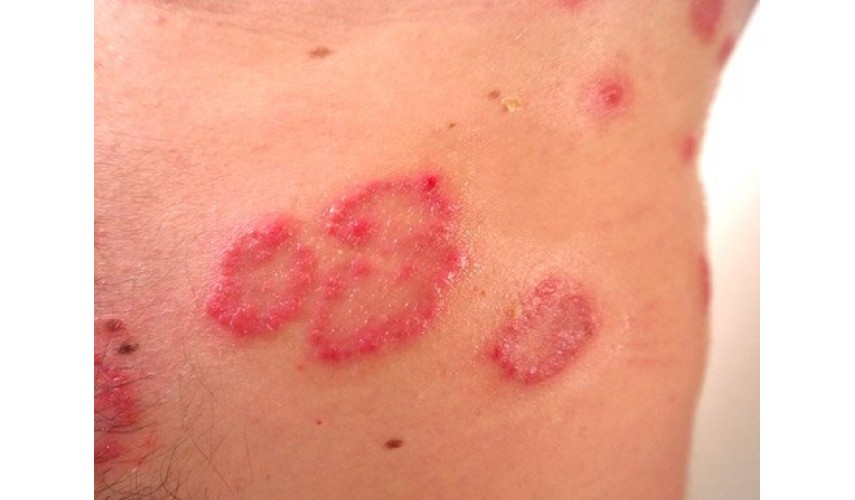
Every October 29, World Psoriasis Day is commemorated, a very good date that helps us year after year to inform ourselves about this disease so that not only those affected and their families are documented, but the whole of society as the future very uncertain. Do we have any idea what this disease is? Here are some key questions with your answers.
What is psoriasis?
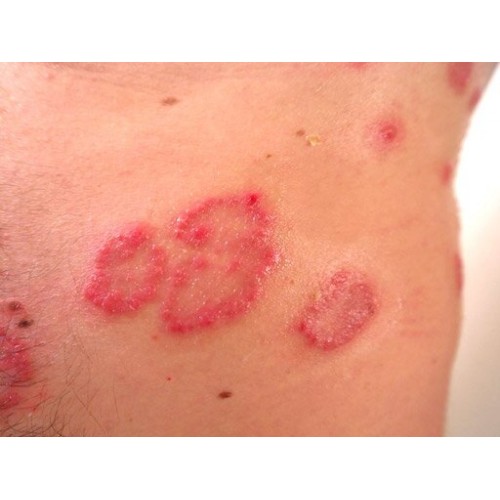
It is a skin condition that causes redness and irritation of the skin. Most people with psoriasis have thick, red, well-defined patches of skin and silvery-white scales. These patches are called plaques.
It is an accumulation of dead cells on the surface of the skin, forming an accumulation of scales.
It is contagious?
Psoriasis is very common, anyone can get it. It is not contagious. This means that it is not passed on to other people.
How does it manifest?
The main symptom of the condition is irritated, red and scaly patches of skin. Plaques are most often seen on the elbows, knees, and mid-body. However, they can appear anywhere, even on the scalp, palms of the hands, soles of the feet.
How can we treat it?
Psoriasis can come on suddenly or slowly. Many times it disappears and then reactivates. The goal of treatment is to control symptoms and prevent infection. Following these tips at home can help:
• Take a bath or shower daily: try not to rub too hard to avoid irritating the skin and triggering an attack.
• Keeping skin clean and moist and avoiding specific psoriasis triggers can help reduce the number of flare ups.
• Sunlight can help symptoms go away. Be careful of burns.
• Relaxation and anti-stress techniques.
• Do not apply colognes or perfumes directly on the body surface as they can irritate and increase the dryness of the skin.
• It is extremely important to keep the skin well hydrated. For this, moisturizing lotions and / or milks will be used that have an emollient action, soften the skin and increase elasticity. Dryness, in addition to causing itching and irritation, can make psoriasis worse.
Can it be definitively cured?
No. This disease is overcome with the treatments recommended by the doctor but it is not definitively cured. Unfortunately, patients must learn to live with it.
What complications can occur?
Added to it is the risk of other pathologies such as diabetes, psoriatic arthritis, cardiovascular diseases and depression, among others.
And how to start an ozone treatment?
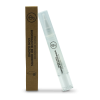
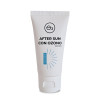
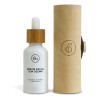
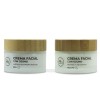
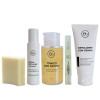
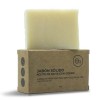
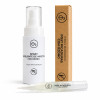
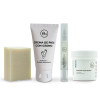
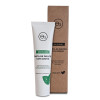
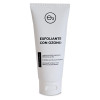
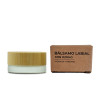
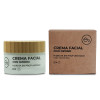
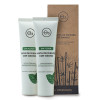
There is available to everyone, ozone applied in dermocosmetics where it is currently used in many skin conditions through ozonated soaps, creams and oils and, of course, psoriasis is one of them. Ozone, being an antiseptic, eliminates the bacteria present on the skin thus avoiding itching, redness or ulcers.
The protocol for using the natural ozone soap is as follows:
-Bathing with ozone soap daily.
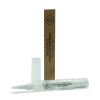
-If you have open wounds, possibly infected, apply IP1200 ointment until they are closed and fully healed.
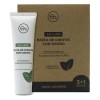
-If there is only a milder condition, we apply the IP400 ointment as in the cases in which the aforementioned wounds are closed and healed. The recommended dosage is at least 2-3 times a day depending on the severity in each case.
In this link learn about the properties that ozone provides in skin with psoriasis through ointments and ozonated oils. Remember that keeping your skin moisturized and clean, and avoiding disease triggers, can help reduce the number of flare-ups.

 Ask us what you want
  Monday - Friday
  911 419 647
  +34 674 27 39 06



 Manager